Ghost Day: The Brushed Display Font That Brings Halloween Designs to Life
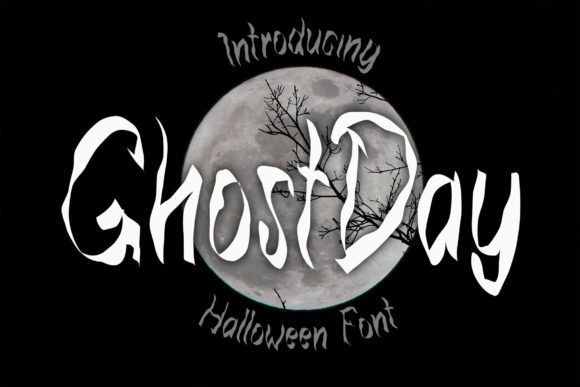
There is a specific moment every October when the air turns crisp, and creative professionals start scrambling for assets that actually capture the spirit of the season. We have all seen the generic pumpkins and overused spiderwebs. They work, sure, but they rarely stop the scroll. If you are looking to inject genuine atmosphere into your projects, typography is often the missing ingredient. This is where Ghost Day enters the conversation. It is not just another spooky typeface; it is a creepy, brushed display font designed to evoke the tactile feel of hand-painted horror.
For creators, marketers, and small business owners, finding the right font can make or break a campaign. Ghost Day offers a unique blend of elegance and unease, making it perfectly suitable for any Halloween-related project or crafty idea. The only limit is your imagination, but understanding how to wield this tool effectively requires looking beyond the aesthetic and into practical application.
Understanding the Aesthetic Appeal
Before diving into use cases, it is important to understand what makes this font distinct. Ghost Day features irregular brush strokes that mimic the movement of a dry paintbrush on rough paper. This texture adds depth and authenticity to digital designs, which often suffer from being too clean or sterile. The "creepy" aspect comes from the subtle distortions in the letterforms—slight drips, uneven weights, and jagged edges that suggest something unsettled.
Unlike standard horror fonts that rely on gore or cartoonish exaggeration, Ghost Day maintains a level of sophistication. It sits comfortably in the space between playful spooky and genuinely eerie. This versatility is its greatest strength. It allows designers to target a broader audience, from families looking for fun Halloween decor to adults seeking a more mature, atmospheric vibe for events or branding.
Real-World Applications for Creators and Entrepreneurs
The utility of a display font like Ghost Day extends far beyond simple greeting cards. Here is how different professionals can integrate it into their workflow to achieve tangible results.
Event Promotion and Hospitality
If you own a bar, restaurant, or event space, October is a critical revenue month. Your promotional materials need to stand out in a saturated market. Using Ghost Day for menu headers, cocktail names, or event posters instantly sets the tone. Imagine a chalkboard special board featuring "The Phantom’s Punch" written in this brushed style. The texture of the font complements the chalk aesthetic while adding a layer of thematic consistency that plain sans-serif fonts cannot achieve.
For independent party planners, invitations are the first touchpoint with guests. An invitation using Ghost Day signals that attention to detail has been paid to the atmosphere. It prepares attendees for an immersive experience before they even arrive. Whether it is a haunted house tour or a sophisticated masquerade ball, the typography primes the audience for the mood you are curating.
E-Commerce and Product Packaging
Small business owners selling seasonal goods—such as candles, soaps, or baked goods—can leverage this font to enhance perceived value. Packaging design is largely about storytelling. A label for a "Midnight Fog" candle looks significantly more premium when the title is rendered in a custom, textured brush font rather than a default system typeface. Ghost Day allows these entrepreneurs to create limited-edition packaging that feels artisanal and exclusive.
Furthermore, digital storefronts benefit from cohesive visual branding. Using this font in banner ads or social media graphics creates a recognizable visual identity during the holiday rush. When customers see that distinctive brushed style across your Instagram stories, website headers, and email newsletters, it reinforces brand recall.
Content Creation and Digital Media
Bloggers and YouTubers who focus on lifestyle, horror reviews, or DIY crafts can use Ghost Day to strengthen their thumbnail game. Thumbnails are the gatekeepers of click-through rates. A title overlay that looks hand-painted and slightly unsettling draws the eye more effectively than standard bold text. For educators or librarians organizing Halloween reading lists, this font can be used to create engaging bookmarks or digital flyers that appeal to older children and teenagers who might find cartoonish fonts too juvenile.
Strategic Considerations for Effective Use
While Ghost Day is a powerful tool, it is not a one-size-fits-all solution. Display fonts are designed for impact, not readability over long stretches of text. To get the most out of this resource, consider the following practical guidelines.
- Limit Usage to Headlines: Use Ghost Day for titles, logos, and short phrases. Pair it with a clean, highly readable sans-serif or serif font for body text. This contrast ensures that your message is both attractive and accessible.
- Mind the Background: Because the font has a brushed, textured appearance, it can get lost against busy backgrounds. Ensure there is sufficient contrast between the text color and the background image. Solid colors or dark, muted tones often work best to let the brush strokes pop.
- Scale Matters: This font shines when used at larger sizes. At small point sizes, the intricate details of the brush strokes may blur or become illegible, especially on mobile devices. Test your designs on multiple screen sizes to ensure clarity.
- Color Psychology: While orange and black are traditional Halloween colors, Ghost Day looks particularly striking in deep purples, blood reds, or stark whites against dark backgrounds. Experiment with color palettes that match the specific emotion you want to evoke.
Why Authenticity Matters in Seasonal Design
In an era of AI-generated images and template-based design, audiences are increasingly savvy. They can spot low-effort content from a mile away. Using a specialized font like Ghost Day demonstrates a commitment to quality. It shows that you have thought about the sensory experience of your audience. The brushed effect mimics human handiwork, which creates a subconscious connection with the viewer. It feels personal, crafted, and intentional.
For freelancers and agencies, offering designs that incorporate such specific, high-quality typography can be a selling point. Clients are not just buying a graphic; they are buying an atmosphere. By recommending and utilizing Ghost Day, you position yourself as a designer who understands the nuances of thematic branding. It moves the conversation from "making it look scary" to "creating an immersive narrative."
Final Thoughts on Implementation
Ghost Day is more than a seasonal novelty; it is a versatile design asset that bridges the gap between professional polish and thematic flair. Whether you are a hobbyist creating homemade decorations, a marketer launching a October campaign, or a teacher designing classroom materials, this font provides the visual weight needed to command attention.
The key to success lies in restraint and context. Use it to highlight, to emphasize, and to set the mood. Let the creepy, brushed characters do the heavy lifting for your headlines, while keeping the rest of your design clean and functional. As you plan your next Halloween project, remember that typography is the voice of your design. Make sure it speaks clearly, confidently, and with just the right amount of chill. With Ghost Day, you have the tools to turn ordinary ideas into memorable experiences, proving that indeed, the only limit is your imagination.