Wine Stoney: Elevating Design with a Brushed, Creepy Aesthetic
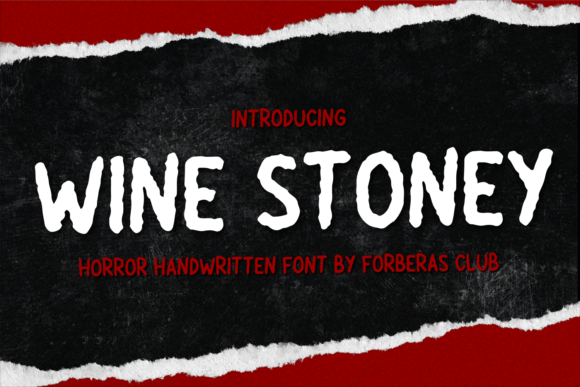
In the saturated landscape of digital and print design, typography is often the first element to capture attention. It sets the tone, establishes mood, and communicates brand personality before a single image is fully processed. Among the myriad of typefaces available today, Wine Stoney emerges as a distinct choice for creators seeking to blend elegance with an edge. Defined as a cool, brushed, and creepy display font, it offers a unique visual language that resonates with modern audiences who crave authenticity and atmospheric depth in their visual experiences.
This typeface is not merely a tool for legibility; it is a design statement. Its suitability extends across various mediums, including t-shirts, sportswear, logos, advertisements, and clothing lines. Understanding how to leverage such a specific aesthetic can significantly enhance the impact of creative projects, allowing designers and business owners to connect more deeply with their target demographics.
The Evolution of Display Typography in Modern Branding
The role of display fonts has shifted dramatically over the past decade. Historically, display typefaces were reserved for headlines and large-scale posters, where readability at a distance was paramount. Today, however, the boundaries have blurred. With the rise of social media, direct-to-consumer e-commerce, and personalized merchandise, typography has become a central component of brand identity. Consumers are no longer just buying products; they are buying into lifestyles and aesthetics.
This shift has led to a growing demand for fonts that possess character and narrative potential. Standard sans-serifs, while clean and functional, often fail to evoke strong emotional responses. In contrast, a font like Wine Stoney brings a tactile quality to digital screens and physical prints. The "brushed" aspect of the font suggests human handiwork, implying craftsmanship and individuality. This aligns perfectly with current market preferences for artisanal, small-batch, and authentic brand stories.
Furthermore, the "creepy" or eerie undertone of the font taps into the popular cultural fascination with the macabre, the mysterious, and the unconventional. From horror-themed entertainment to gothic fashion trends, there is a substantial audience that appreciates design elements that challenge the norm. By incorporating such a typeface, brands can position themselves as bold, alternative, and culturally aware.
Practical Applications Across Industries
The versatility of Wine Stoney lies in its ability to adapt to various design contexts while maintaining its core identity. Here is how different sectors can effectively utilize this typeface:
- Apparel and Sportswear: The streetwear industry thrives on distinctive graphics. Using a brushed, creepy font on t-shirts and hoodies can create instant visual interest. For sportswear, it adds an aggressive, high-energy vibe that appeals to athletes and fitness enthusiasts who value intensity and determination.
- Logo Design: For businesses in the entertainment, nightlife, or alternative fashion sectors, a logo featuring Wine Stoney can communicate edginess and exclusivity. It works particularly well for brands that want to stand out from competitors using traditional, corporate typography.
- Advertising and Marketing Materials: In promotional campaigns, especially those targeting younger demographics, this font can be used to create memorable headlines. Whether for a Halloween sale, a music festival poster, or a limited-edition product launch, the font’s unique style ensures that the message captures attention quickly.
- Packaging Design: Product packaging is a critical touchpoint for consumer engagement. Using Wine Stoney on labels for craft beverages, specialty foods, or beauty products can convey a sense of mystery and premium quality, encouraging customers to pick up the product and explore further.
Aligning with Current Design Trends
Contemporary design trends are increasingly favoring imperfection and texture. The sterile, flat design aesthetic of the early 2010s is giving way to more organic, textured, and expressive styles. This movement, often referred to as "neo-brutalism" or "anti-design," embraces rough edges, unusual layouts, and distinctive typography.
Wine Stoney fits seamlessly into this trend. Its brushed strokes mimic the irregularities of hand-painted lettering, adding warmth and humanity to digital designs. This tactile quality helps bridge the gap between the digital and physical worlds, making online content feel more tangible and relatable.
Moreover, the "creepy" element of the font aligns with the growing popularity of dark academia, gothic revival, and horror-core aesthetics in fashion and media. These trends reflect a broader cultural interest in exploring darker, more complex emotions and narratives. By utilizing a font that embodies these qualities, designers can tap into these cultural currents and create work that feels relevant and timely.
Technical Considerations for Effective Use
While Wine Stoney is visually striking, its effective use requires careful consideration of context and hierarchy. As a display font, it is best suited for short bursts of text, such as headlines, titles, and logos. Using it for body copy or long paragraphs can reduce readability and overwhelm the viewer.
To maximize its impact, consider pairing Wine Stoney with a clean, simple sans-serif or serif font for supporting text. This contrast allows the display font to shine as the focal point while ensuring that the overall design remains balanced and easy to navigate. Additionally, pay attention to spacing and color choices. The brushed nature of the font may require slight adjustments to kerning and leading to ensure optimal clarity.
Color plays a crucial role in enhancing the "creepy" or "cool" vibe of the font. Dark, muted tones such as deep purples, blacks, and grays can amplify the eerie atmosphere, while bold, contrasting colors like neon green or blood red can create a striking, high-impact look. Experimenting with different color combinations can help designers find the perfect balance for their specific project.
Empowering Creators and Businesses
For freelancers, entrepreneurs, and marketing professionals, having access to unique typography tools like Wine Stoney can be a competitive advantage. In a market where differentiation is key, the ability to create distinctive visual identities can help businesses stand out and attract their ideal customers.
Creators can use this font to develop cohesive brand systems that extend across various touchpoints, from social media graphics to physical merchandise. By consistently applying the font’s unique aesthetic, brands can build stronger recognition and loyalty among their audience.
Furthermore, the ease of integrating such fonts into modern design workflows allows for rapid experimentation and iteration. Designers can quickly test different layouts and compositions, refining their ideas until they achieve the desired effect. This flexibility supports a more agile and responsive design process, enabling businesses to adapt to changing market conditions and consumer preferences.
Conclusion: Embracing Distinctive Typography
In conclusion, Wine Stoney represents more than just a typeface; it is a versatile design asset that can elevate various creative projects. Its combination of brushed textures and creepy aesthetics makes it particularly suitable for industries that value boldness, authenticity, and atmospheric depth. By understanding its strengths and applying it strategically, designers and business owners can create compelling visual narratives that resonate with modern audiences.
As design trends continue to evolve towards more expressive and textured styles, fonts like Wine Stoney will remain valuable tools for creators seeking to make a lasting impression. Whether used in apparel, advertising, or branding, this font offers a unique opportunity to communicate personality and connect with consumers on a deeper emotional level. Embracing such distinctive typography is not just about following trends; it is about crafting meaningful and memorable visual experiences.